The Northern Endurance Partnership (NEP) has drilled its first exploration well in the Southern North Sea in the prospective BC39 storage site. Initial analysis indicates BC39 has suitable properties to safely and securely store CO2, signalling a significant step forward for the UK’s carbon capture and storage ambitions.
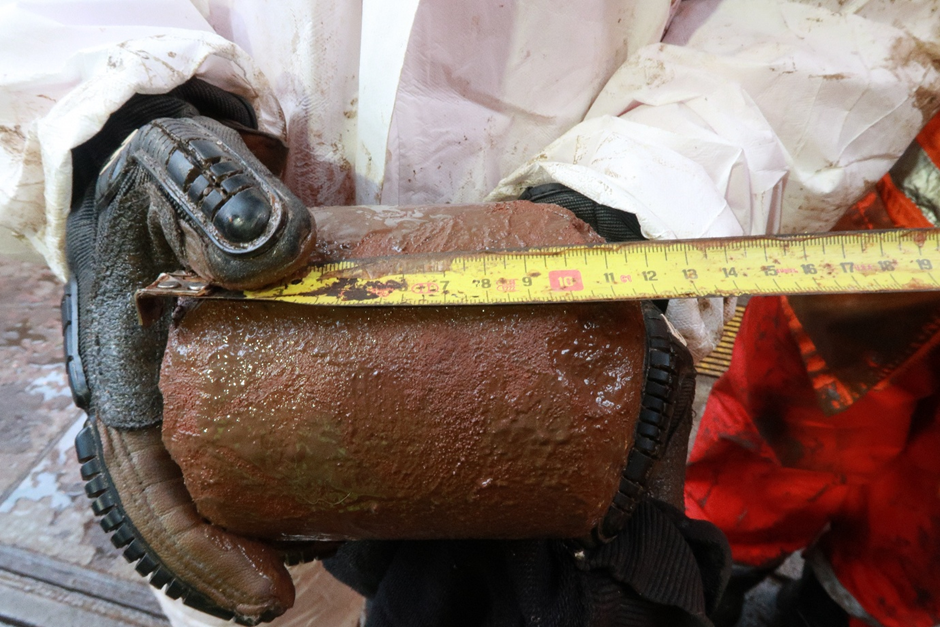
As the first of two exploration and appraisal wells planned for 2026, NEP reports positive preliminary results from its C43/30-2 well, including around 500 metres of strong sealing rock above the 250-metre Bunter sandstone BC39 storage site. Early analysis indicates this structure could safely store millions of tons of CO₂ over the coming decades.
The outcome is an important milestone for NEP in its vision to decarbonise the Humber region; highlighting that additional storage exists in the same highly secure geological setting as the Endurance store.
It also demonstrates NEP is delivering on its regulatory commitments to the NSTA and Ofgem; continuing to support the long-term growth of carbon storage in the UK.
An extensive dataset has been collected, which will be used by NEP and its UK and international partners to complete detailed technical studies to further appraise the BC39 store.
Rich Denny, Managing Director of Northern Endurance Partnership, said:
“These early results are a highly encouraging step forward for the UK’s carbon capture and storage ambitions. The success of the C43/30-2 well demonstrates both the quality of the Southern North Sea as a storage resource and the strength of collaboration between partners across the project.
“By delivering this programme, we are not only progressing a potential expansion option beyond Endurance but also building critical evidence to support the development of scalable carbon storage solutions for the Humber and Teesside. This is exactly the kind of progress needed to underpin industrial decarbonisation and long-term energy transition goals.” This work forms part of our broader commitments to Ofgem, ensuring we continue to develop reliable, future-ready infrastructure that supports the UK’s transition to net zero.
The successful result from C43/30-2 marks one of the first dedicated saline aquifer appraisal programmes in the UK. The data and operational experience gained will help shape future carbon storage developments, particularly as saline aquifers are expected to represent a significant share of the UK’s overall CO₂ storage resource.
Thank you for showing an interest in
Northern Endurance Partnership.
For all media enquiries please email our communications team
For all general enquiries please email our main office
Follow our socials to stay informed
We are committed to the highest standards of integrity. If you have concerns about unethical behaviour, please report them
Net Zero North Sea Storage Limited (trading as Northern Endurance Partnership)
Registered in England and Wales (Company Number 12473084)
Registered Office
Chertsey Road, Sunbury On Thames, Middlesex, United Kingdom, TW16 7BP
Head Office
Innovation Central, Central Park, 10 John Williams Blvd S, Darlington DL1 1BF